How to Create Great Compositions

How to Create Great Compositions

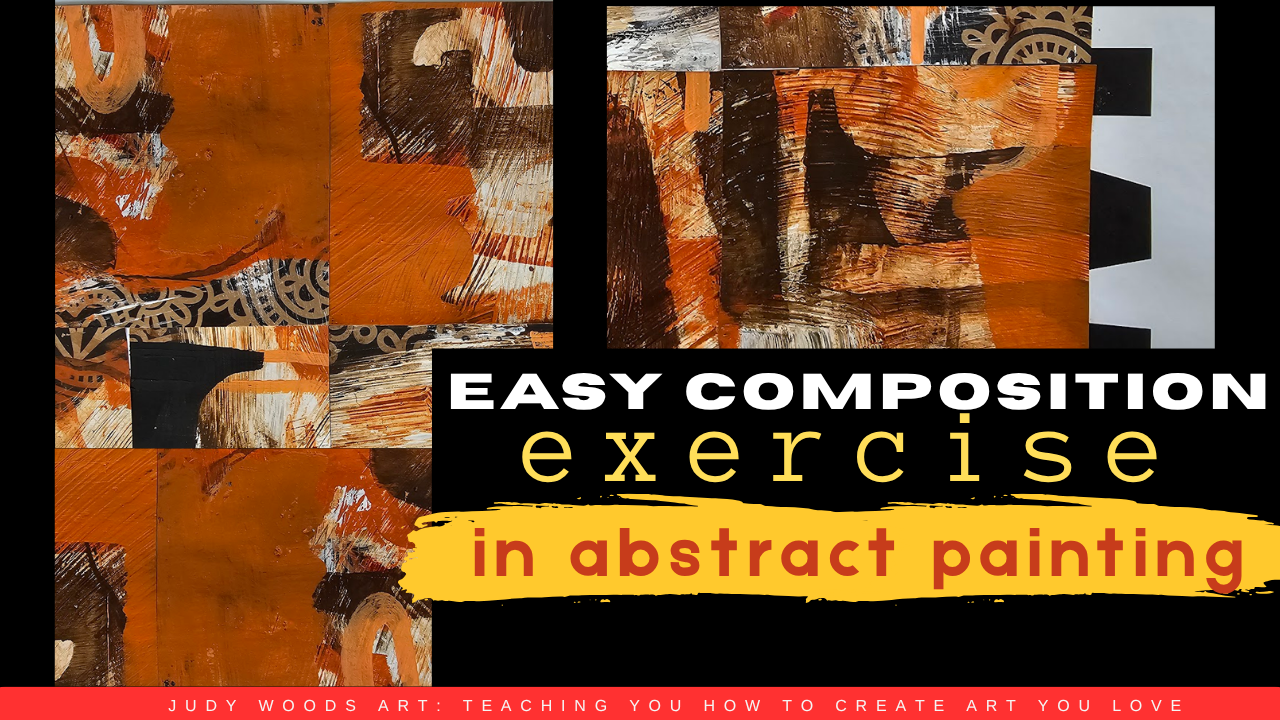
The other day I took a break from my paintings and I did a little design exercise which was fun. It's a bit like practicing your scales when you play the piano - it limbers you up, tunes the eye for when you need to analyse your paintings and make design decisions. Have a look and then have a go. Watch the Vlog.

How to Paint Abstract Flowers - Without a brush!

How to Paint Abstract Flowers - Without a brush!

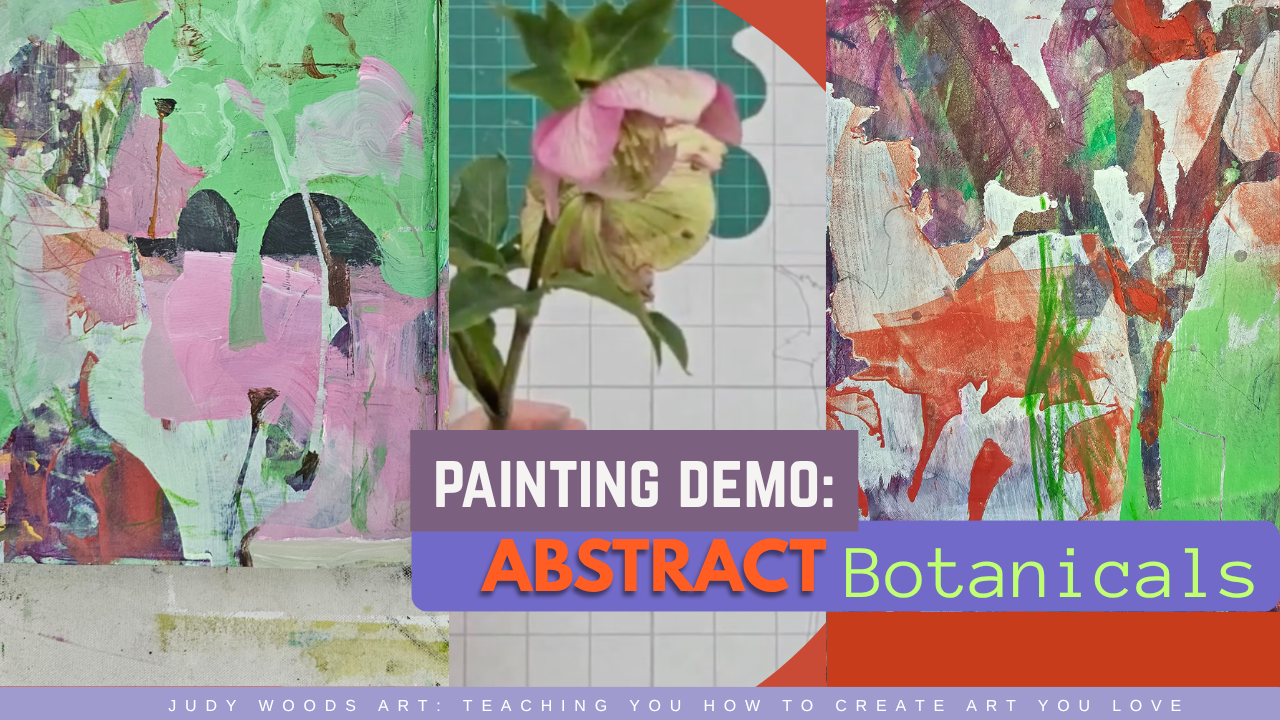
In this demonstration you will see how to create a beautiful abstract painting giving the SENSE of flowers bobbing in a breeze. My goal is to create interesting shapes of saturated colour with depth and complexity that suggests a floral form, but has the feeling of freedom and spaciousness. Using paint in layers, pencil and ink along with a palette knife and colour shapers beautiful effects can be created - watch and then try it for yourself.

Create Depth and Interest in your Painting with Stencils

Create Depth and Interest in your Painting with Stencils

This video takes a look at the stencils I made and teaches you how to use stencils to create depth, direction and interest into your paintings. In this video I explain: How to choose colours in order to create contrast and direction in your painting and how to use stencil shapes that mimic negative or positive shapes to create rhythm and interest.

How I Developed An Idea From A Finished Painting Into New Art

How I Developed An Idea From A Finished Painting Into New Art

How do you get inspiration for new work? Inspiration, I think, is the most important part of the creative process. This clip shows how one piece of art can inspire another - where a finished painting can be mined for ideas that can be used to start a new piece.

The Stages of a Painting

The Stages of a Painting

When people get stuck in their work it's usually because they are trying to do something when they're not ready or asking the wrong questions at the wrong time in the development of the work. Once they know at what stage they're at with the work and what they should be focusing on then they know what questions to ask. For example, if you're at the beginning stage of a painting you don't start analysing whether you've got the colours right, or whether the design is strong. Those are questions for later. In this week's Vlog I demonstrate what to focus on at the various stages of developing a painting.

Authenticity In Your Art

Authenticity In Your Art

One of the ways I do this when I'm building my layers at the beginning of a painting is to embed the work with drawings, words, shapes, colour, and collage that has direct relevance to my life at that moment. Watch the Vlog to see this process demonstrated in my work, and stick around to the end to see bossy old Ginny.

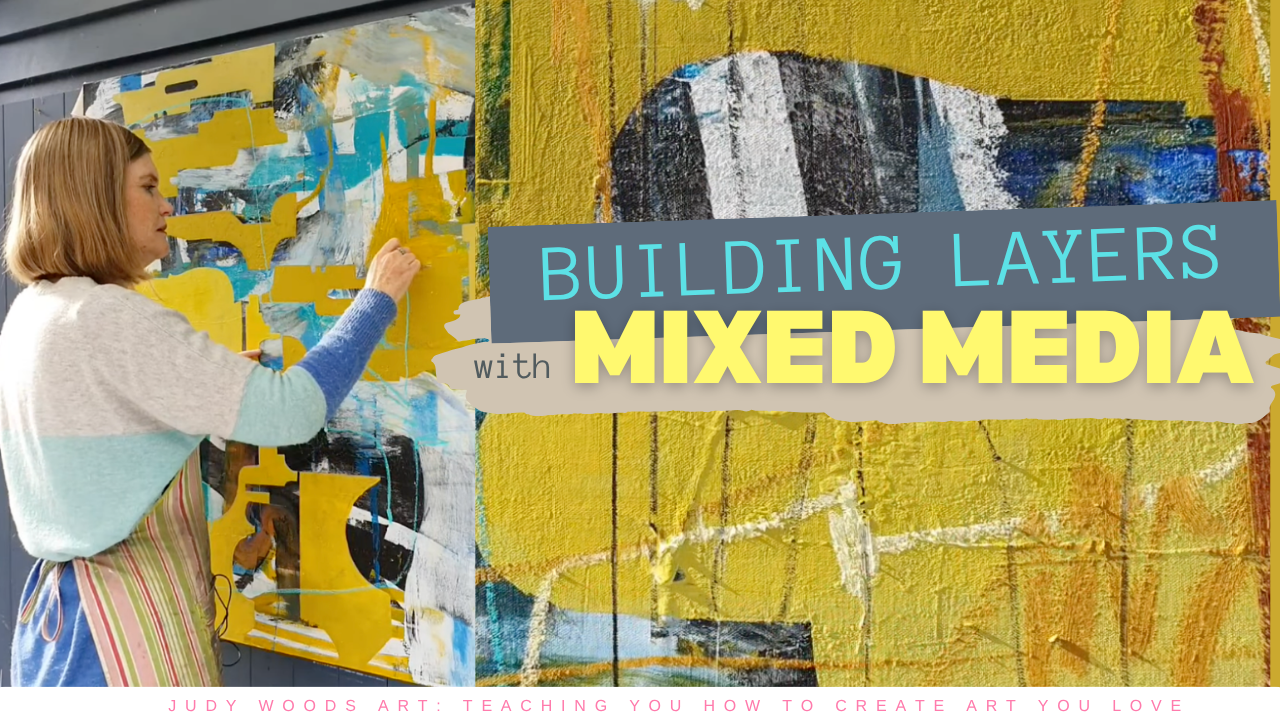
Building Layers With Mixed Media

Building Layers With Mixed Media

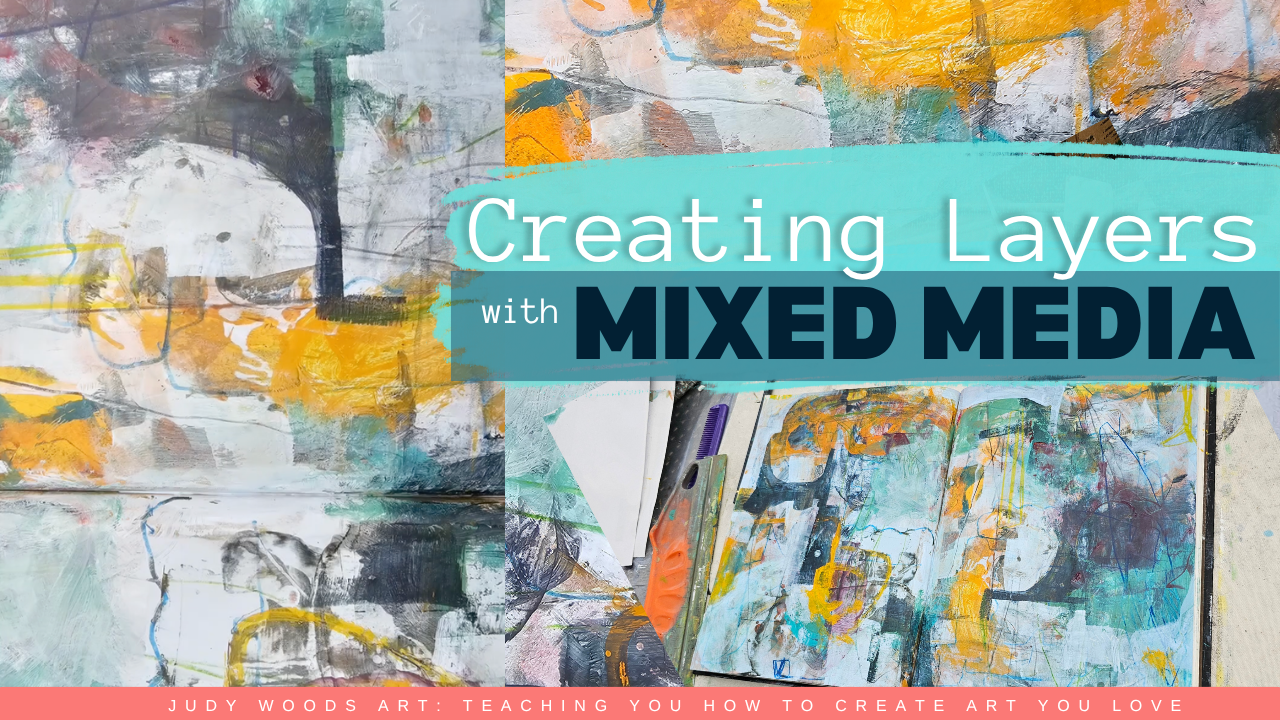
How do you incorporate mixed media in your paintings? It's great to switch from careful painting to spontaneous expressive work, using wet media and dry, making intentional moves, and combining them with accidental uncontrolled mark making. Watch and see how I do this.

Using your Art to Protest and Release Frustration

Using your Art to Protest and Release Frustration

Art has always been a powerful form of communication. In this video I demonstrate how I vent my feelings in paint, and the importance of aligning the method with the message. Watch the video and then express your feelings in paint - it’s a wonderful release of frustration, and as well as channeling anger you can also find a giggle along the way too.

Playing with Paint & Collage

Playing with Paint & Collage

So when I decided I was well enough to spend a little time in my studio I was in a quiet frame of mind. No strong value contrasts, no loud music.... just soft colours, subtle differences, and gentle play. I switched on RECORD, and this little session in my studio is the subject of this week's Vlog.

Playing with Paint in your Sketchbook

Playing with Paint in your Sketchbook

When I start my paintings I begin with play. I had to learn to play with the paint and the tools and whatever else I had to use just like a curious kid. "What happens if I use this?" "What happens if I do that?" I recorded it, so you can see what it takes to play if you are like I was and sometimes find it hard to let go, forget about what you're making, and just get lost in the MAKING. Watch the Vlog.

Colour Shaper Painting Tool

Colour Shaper Painting Tool

I thought I'd share with you some lovely effects you can get with a colour shaper - one of my favourite tools. It's a mini-vlog, but have a look. I use this tool a lot and almost have to prise it out of my hand sometimes just to give the old paintbrush a turn again.

Breaking down 2 Abstract Paintings—What Are They About?

Breaking down 2 Abstract Paintings—What Are They About?

One of the questions I ask myself when I'm trying to nut out my paintings is "What is this painting all about - where are my heroes?" When I get this figured out it's so much easier to know what needs to be done next. Sometimes the hero can get lost in the crowd - so once I've identified what are the heroes, I can clear away the distractions and make some space for the main players to shine.

The Beginning of a Painting: How to Start

 The Beginning of a Painting: How to Start

In this vlog, I'll walk you through how I start a painting from the very beginning: preparing the canvas and the first layers, and what my focus is at this stage. Stay to the end to see how one painting evolved from the beginning through to the final finished form.

Building The Surface of An Abstract Painting

Building The Surface of An Abstract Painting

In this week's Vlog, I continue with the progress of the painting which I started last week. I'm adding the layers and building the surface using different tools to apply paint and get a range of effects. Watch as I share with you the process of building my current work as it's starting to get exciting.

The Value of Drawing

The Value of Drawing

In this Vlog I talk about this process and show examples of Picasso's drawings from one of my favourite artbooks. 'The Sketchbooks of Picasso'. He of course didn't have a SMART phone or Photoshop to help him nut out design issues - he used pencil and paper. And his small composition studies are the perfect example of this type of drawing. There are also suggestions for how you could use these ideas in your own practice and some examples of my drawing to demonstrate.